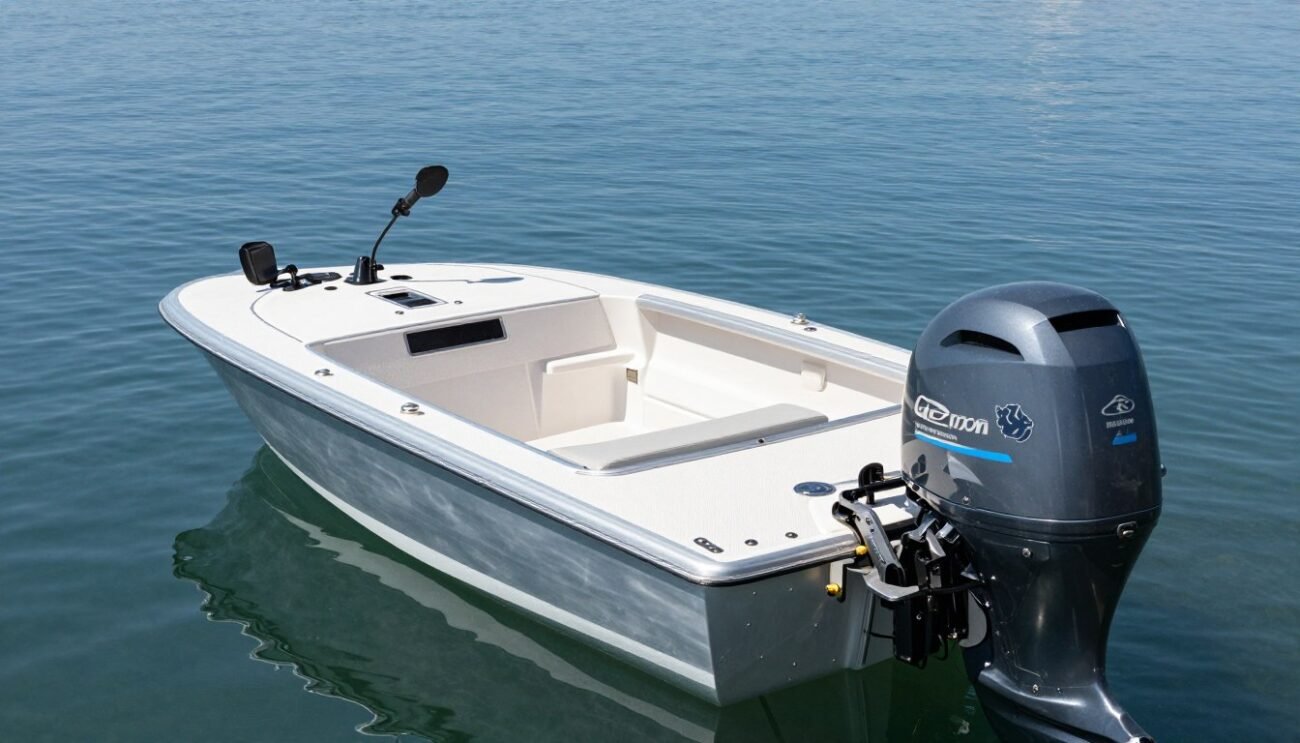
Blog
Outboard motor sizing guide for Australian boats

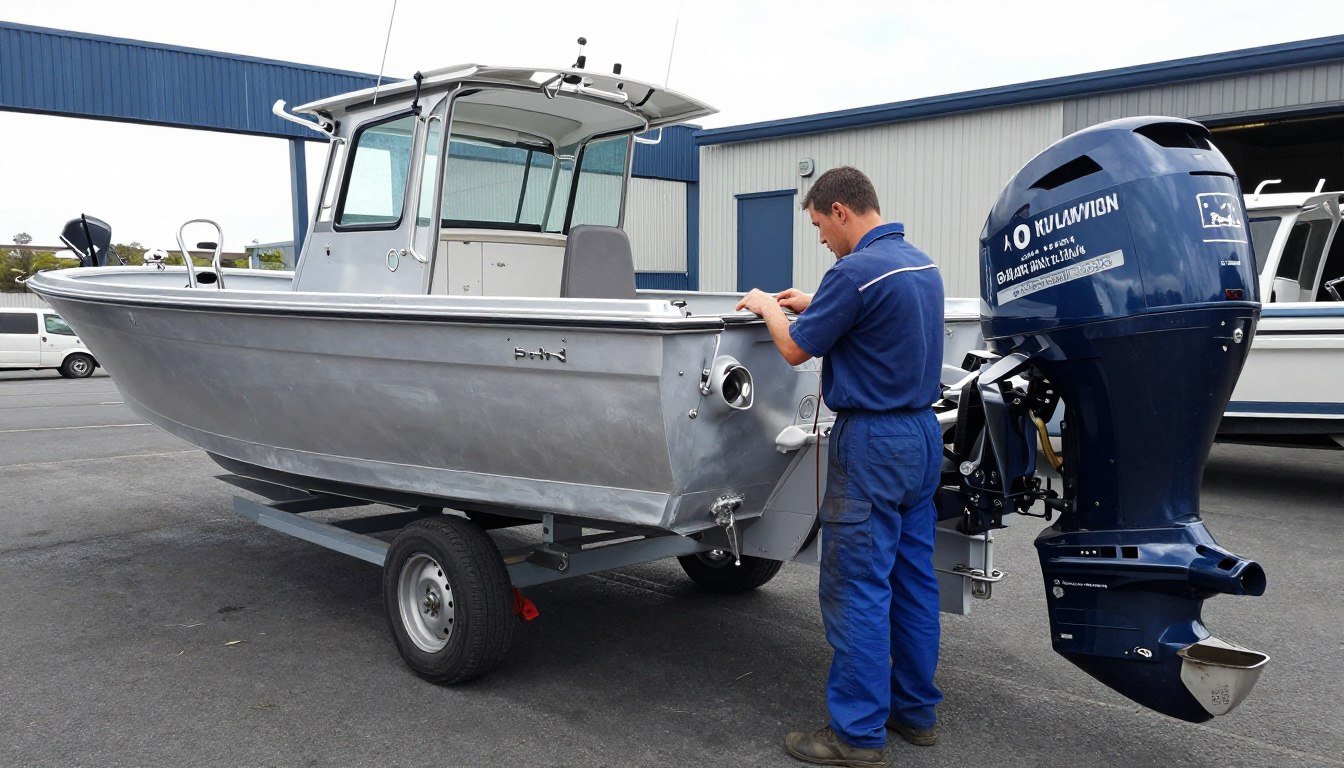
Outboard Motor Sizing Guide: How Much Horsepower Does Your Boat Actually Need?
Outboard motor sizing starts with the hull, not the engine brand. A 4.2 metre aluminium boat with two adults and fishing gear can need very different power from a similar-length fibreglass boat used for skiing or offshore work.
The correct motor gives you safe acceleration, sensible fuel use, and enough performance to stay on the plane when the boat is loaded. The biggest motor is not automatically the right outboard.
Why Matching Horsepower Matters More Than Bigger Is Better
Horsepower must suit the boat’s hull shape, structure, weight, and intended use. A deep-V hull handles open-water conditions differently from a flat-bottom punt. A heavy half cabin needs more power to reach the same cruising speed as a light tinny.
Underpowering creates its own problems. The boat may struggle to get on the plane, feel sluggish when turning, and lose speed as passengers, fuel, batteries, and gear are added. In short chop, a motor that cannot hold the hull on the plane can leave the boat sitting heavily in the waves.
Overpowering is not a harmless way to gain extra speed. Too much power can overload the transom, upset handling, and place stress on steering and flotation systems. It may also be dangerous and may void some insurance policies if the installed horsepower exceeds the boat’s rated limit.
Dealer rule: choose the strongest motor the hull is legally rated to carry only when the hull, transom, engine weight, and intended use all support that choice.
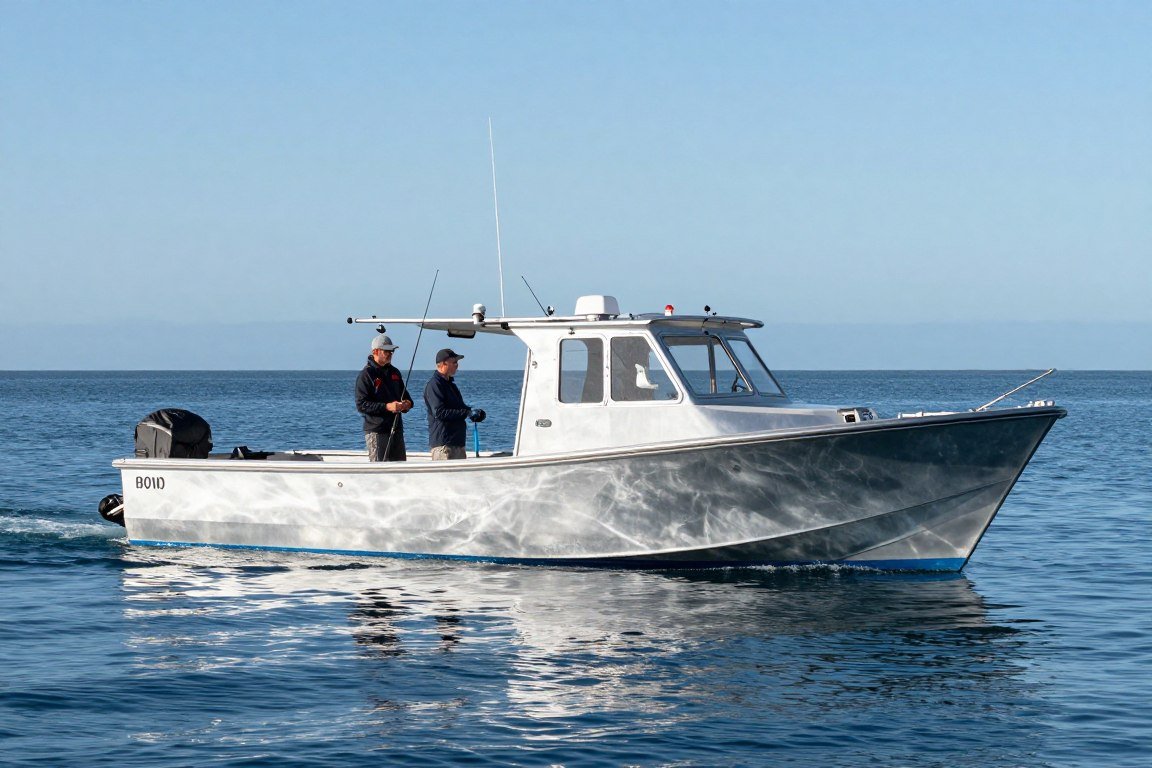
Read the Maximum Horsepower Rating First
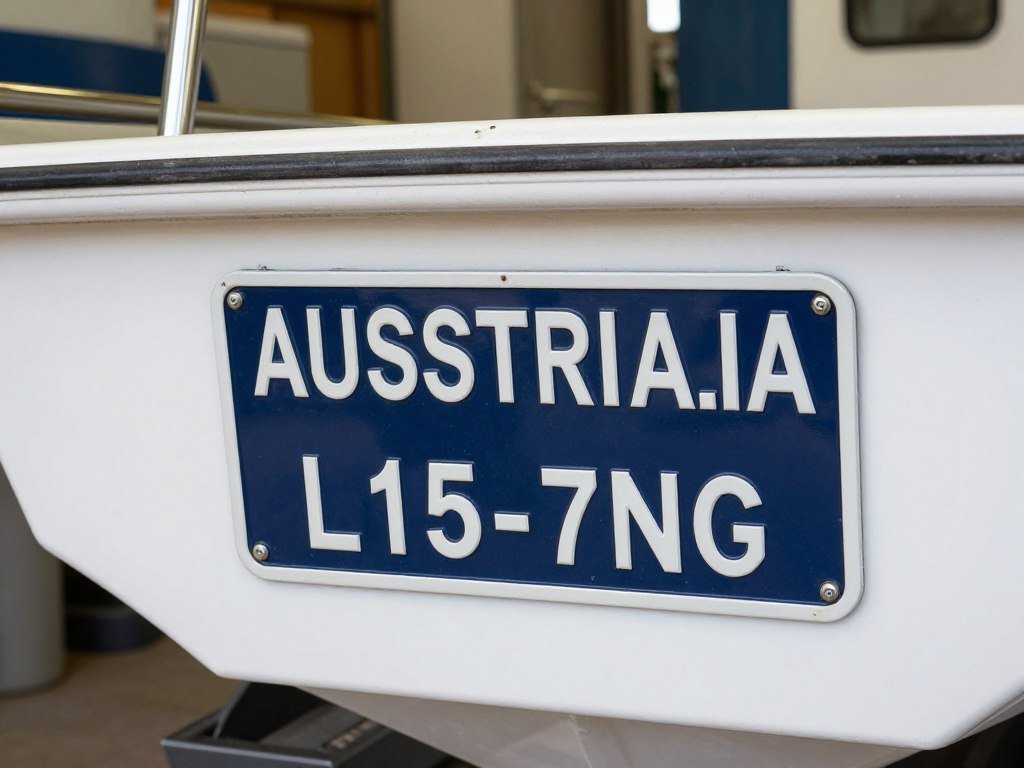
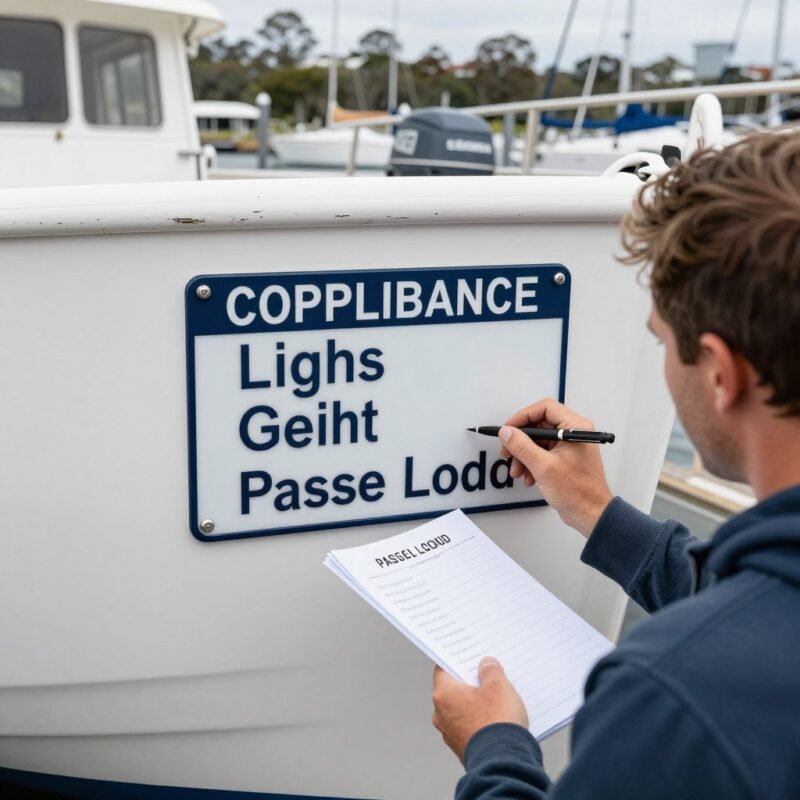
Look for the boat’s compliance plate, usually fixed near the transom or steering position. It normally shows the maximum horsepower, maximum engine mass, maximum persons, and maximum load for that hull.
That maximum horsepower is a legal and safety ceiling, not a suggestion. Do not fit a larger motor because the boat feels underpowered or because a similar hull is sold with more power. The plate applies to that specific boat design and its tested structure.
Older boats may have a capacity plate rather than a newer Australian Builders Plate. The information still matters. You can read the Australian Builders Plate information from the Australian Government for background on the capacity details shown on recreational boats.
State rules can also affect registration, operation, and safety equipment. Before changing a motor, check the current guidance from your state authority, such as the NSW Government boat capacity and loading advice.
Never guess the rating from boat length alone. If the plate is missing or unreadable, confirm the specification with the builder, an authorised marine inspector, or a dealer who can identify the hull correctly.
Practical Horsepower Ranges by Boat Type
These figures are useful starting points for Australian boats, not a final engine prescription. The compliance plate, hull construction, boat weight, transom capacity, shaft length, and intended use must always take priority.
- Small tinnies and dinghies, 2.5 to 3.6 metres: usually 2.5 to 15 horsepower. A 2.5 to 6 horsepower outboard suits tenders, estuary trips, and light loads. A strong 9.9 to 15 horsepower motor can suit a wider aluminium hull, but only when the plate allows it.
- Aluminium punts and small runabouts, 3.6 to 4.5 metres: commonly 15 to 40 horsepower. Light punts used on lakes may work well near the lower end. A loaded runabout, or a hull expected to handle chop, often needs 25 to 40 horsepower.
- Fibreglass runabouts and half cabins, 4.5 to 5.5 metres: often 60 to 115 horsepower. A light open runabout may perform well with 60 to 90 horsepower. A heavier half cabin with a deep-V hull, family load, and offshore use may need 90 to 115 horsepower if the plate permits it.
- Centre consoles and larger trailer boats, 5.5 to 7 metres or more: commonly 115 to 250 horsepower, sometimes higher on approved hulls. The correct choice depends heavily on hull weight, fuel capacity, deadrise, offshore conditions, and whether the boat is single or twin engine.
Length gives you a starting point, but it cannot select the motor by itself. Two boats of the same length can differ by hundreds of kilograms once the hull, floor, cabin, fuel tank, batteries, and fittings are included.
Boat Use Changes the Horsepower Decision
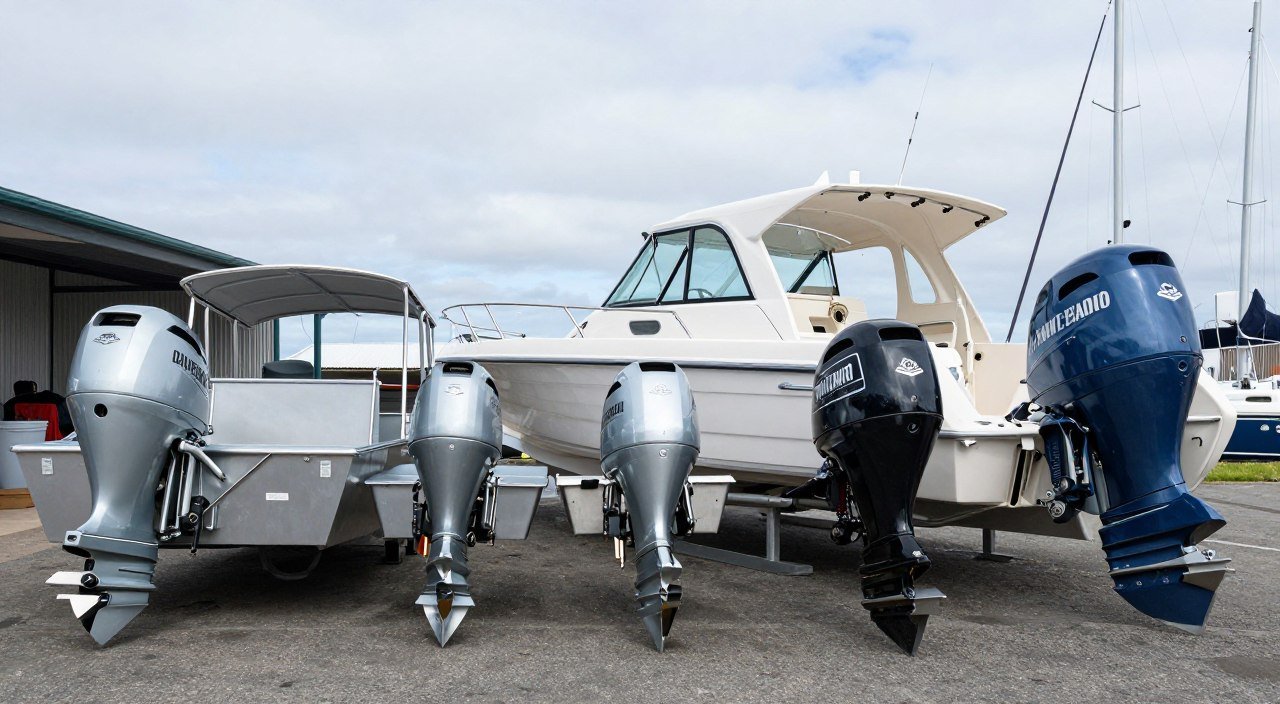
A boat used for quiet-water fishing on lakes or sheltered rivers does not need the same acceleration as a boat towing skiers. The lighter-use boat may spend most of its time at displacement speed, while a ski boat needs strong low-speed pull and quick recovery when the rider gets up.
Offshore fishing adds another demand. You need enough power to reach the plane with a full fuel tank, several adults, ice, tackle, safety equipment, and spare water. You also need the motor to maintain useful speed when heading into chop, without running at its limit all day.
Consider the hull shape as well. A flat-bottom punt can move efficiently at low speed but may pound in open water. A deeper-V hull rides more smoothly, yet it usually needs more power because it carries more structure and pushes more water before planing.
Boats used by a family also need an honest passenger estimate. A motor that feels lively with one person at the tiller can feel flat with four adults aboard. That difference affects stopping distance, steering response, fuel use, and the ability to clear a shallow bank or cross a busy wake.
Calculate the Boat at Its Real Operating Weight
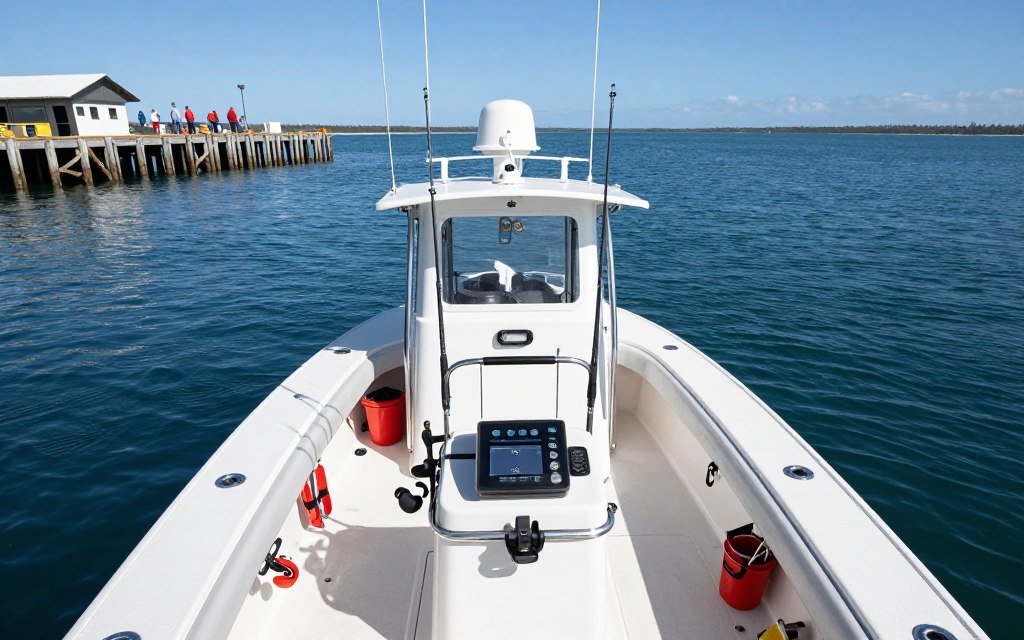
Do not judge a motor on an empty boat sitting at a dealer. Add the hull, engine, battery, fuel, safety gear, anchor, rope, fishing equipment, icebox, tools, and every person who normally comes aboard.
Fuel adds up quickly. A 100 litre tank weighs about 74 kilograms when full, before you count the tank itself. A pair of batteries, an electric trolling motor, a sounder, a livewell, and an icebox can add another substantial load at the stern or under the floor.
Extra weight delays planing and raises the throttle needed to hold speed. That usually increases fuel burn and can change the boat’s trim. If passengers sit too far aft, the bow may rise, visibility can suffer, and the propeller may lose clean water in a following sea.
Weight distribution matters as much as the total figure. A heavy four-stroke on an older transom can sit lower at rest and alter flotation. Gear stored in the bow may help trim, but it does not remove the total load from the hull.
Two-Stroke and Four-Stroke Motor Weight
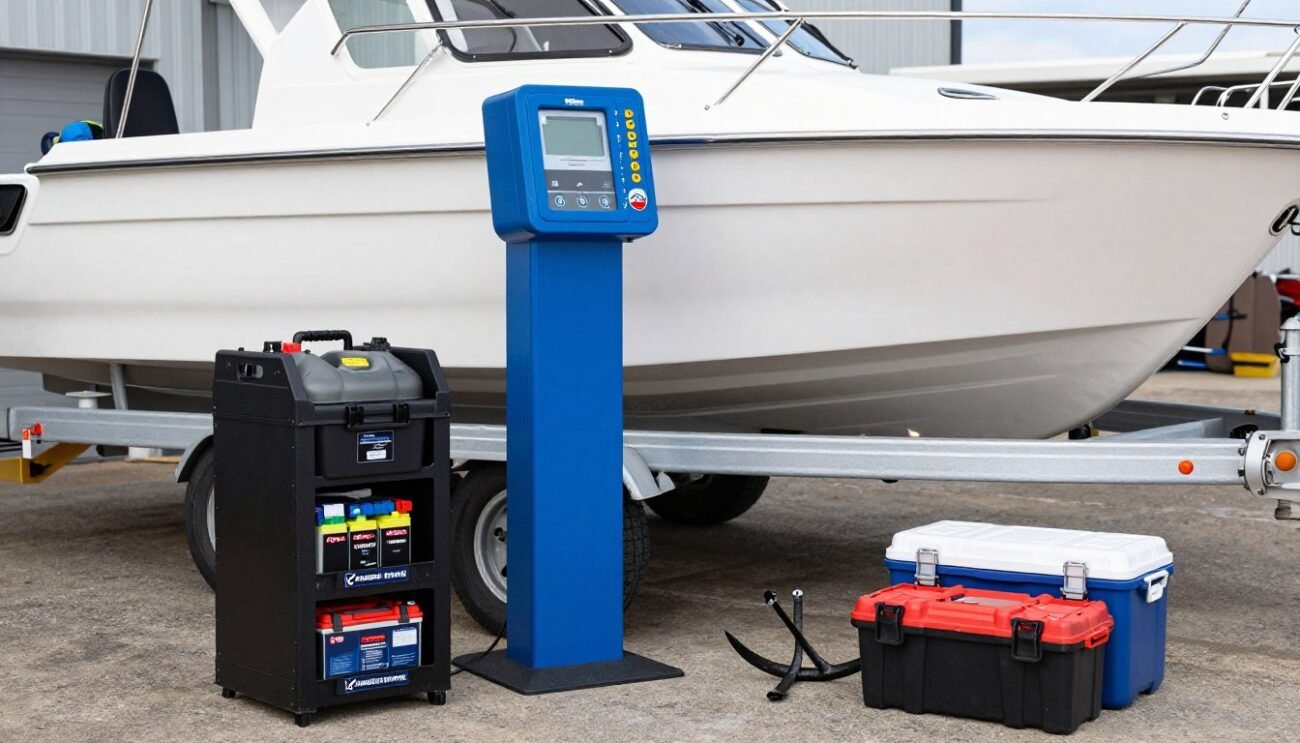
Horsepower alone does not tell you whether an engine suits an older hull. Two-stroke outboards are often lighter for the same horsepower, while many four-stroke motors use more metal, oil, and internal parts and can weigh considerably more.
The difference may be modest on a small boat and major on a short transom. A heavier four-stroke can increase stern squat, reduce freeboard, change trim, and place extra load on an older transom. Check the engine’s actual dry weight, not just its advertised horsepower.
Four-strokes usually offer quiet running, good low-speed manners, and no oil mixed into the petrol. Older two-strokes can provide useful power at a lower purchase cost and may suit a hull with a conservative transom rating, but their fuel use, noise, emissions, and condition need close inspection.
Electronic fuel injection can improve starting and throttle response on many engines. It does not make an overweight motor suitable, and fuel injection cannot override a hull’s capacity plate or transom limit.
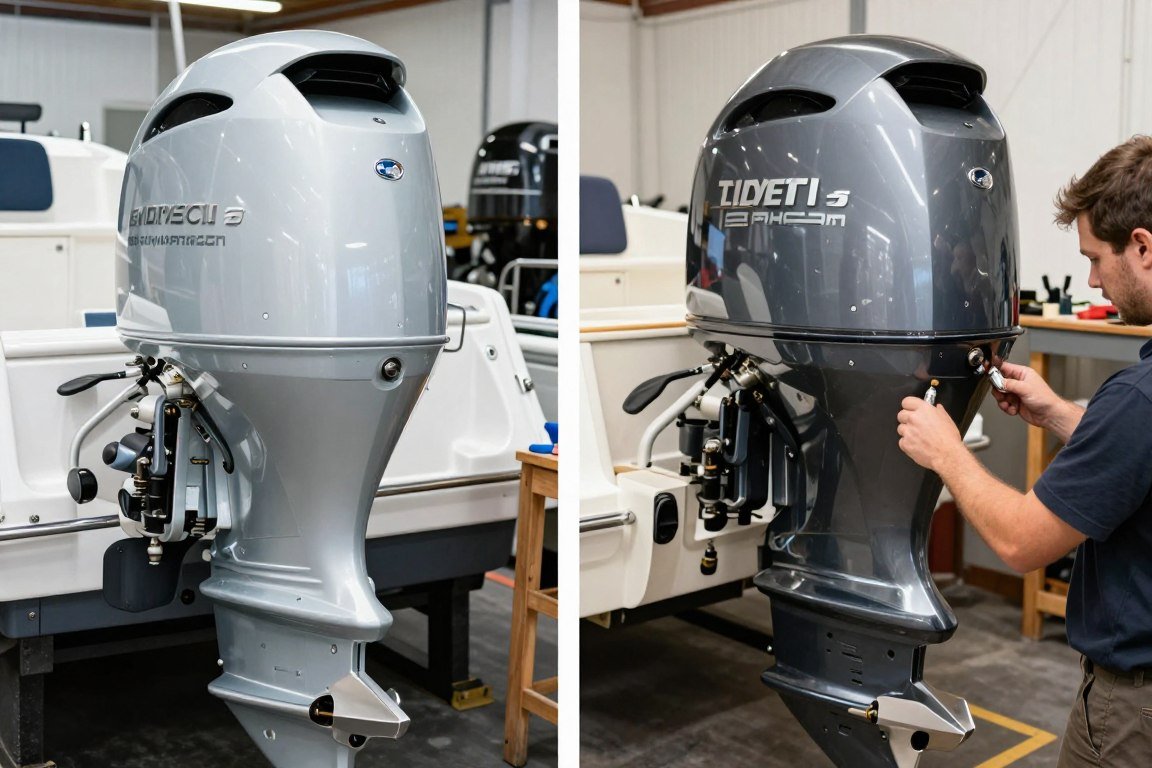
Check Shaft Length and Transom Height
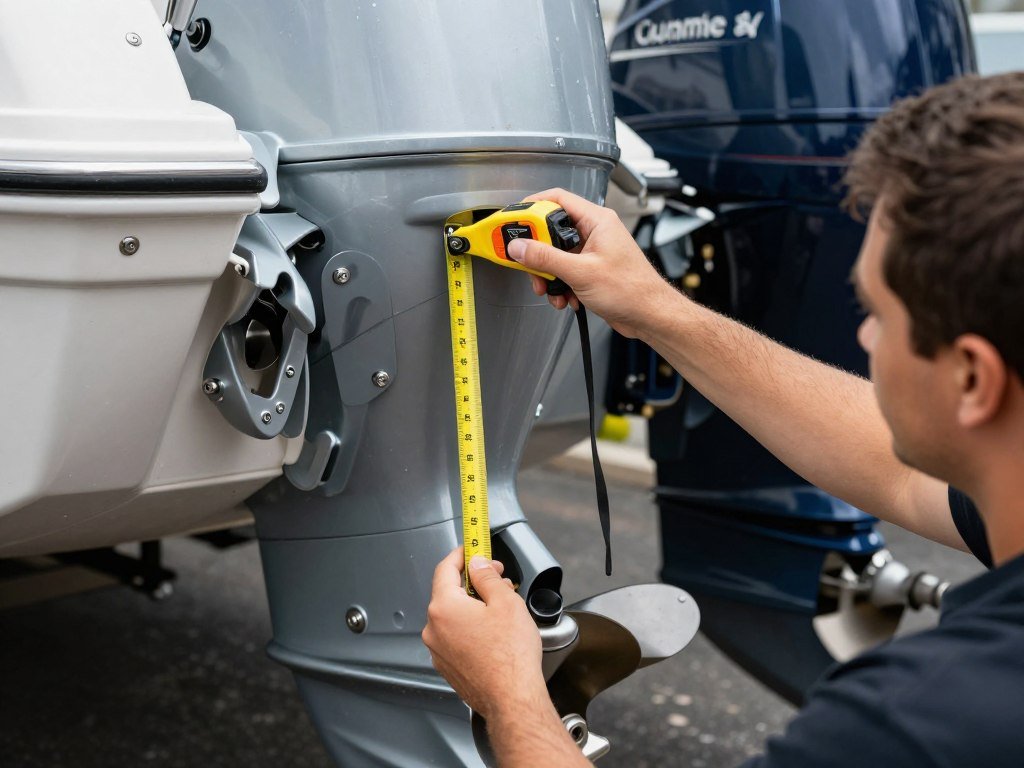
A correctly sized outboard motor also needs the correct shaft length. Measure from the top of the transom to the bottom of the hull at the centreline, then compare that measurement with the manufacturer’s shaft length guide.
If the shaft is too short, the propeller can ventilate in turns or rough water. If it is too long, the gearcase may sit too deep, increasing drag and making steering harder. Both problems can look like a horsepower issue when the real fault is fitment.
Measure the transom height before you buy. A standard shaft is common on smaller boats, while long shaft and extra-long shaft setups appear on larger boats and many offshore hulls. The right outboard motor must match horsepower, weight, mounting height, controls, and shaft length together.
Before considering Suzuki outboards, check the required outboard shaft length and whether the steering and control layout match your boat. This simple check can prevent an expensive return or modification.
Choose the Engine After Checking the Hull
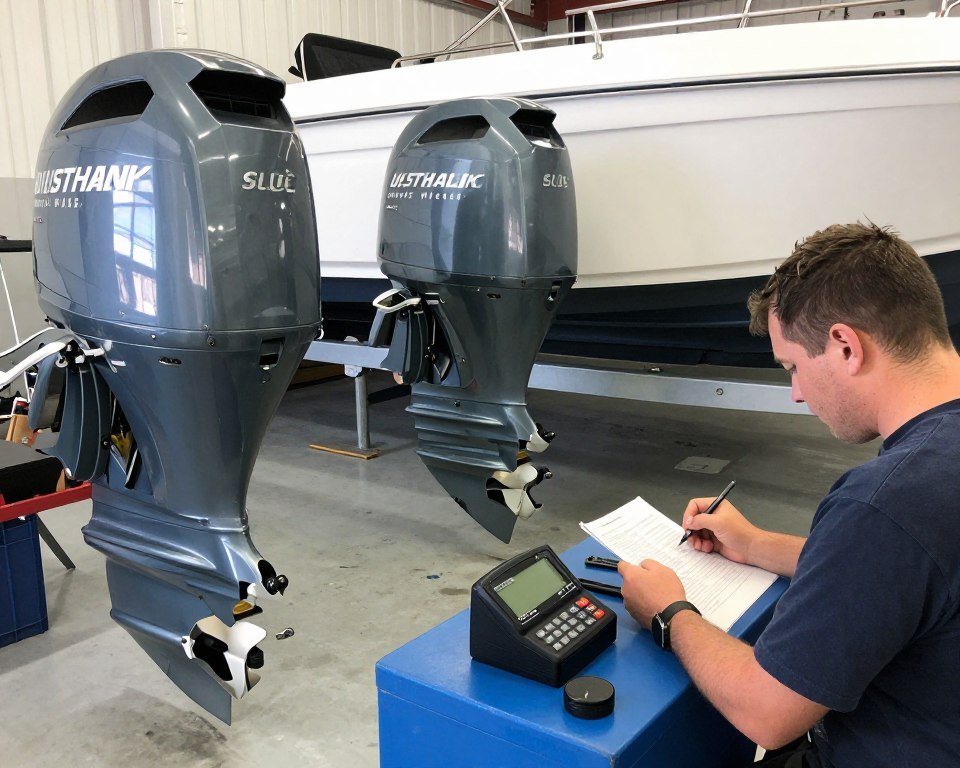
Brand preference is useful, but it should come after the boat has been measured. Honda, Yamaha, Suzuki, Mercury, and Tohatsu all produce reliable motors across different horsepower ranges, yet their weights, mounting patterns, controls, and service requirements are not identical.
For a light fishing boat, a compact motor may be more suitable than a heavier model with the same output. For a larger centre console, the available charging system, alternator output, fuel injection, remote controls, and service history may matter as much as peak power.
Used outboard motors also vary by year and specification. Two motors with the same badge and horsepower can have different weights, shaft lengths, gearbox ratios, trim systems, and electronic controls. Ask for the model code and serial details before assuming a direct replacement.
When comparing Mercury outboards with Suzuki outboards, focus on the complete installation. The best value is the motor that fits the hull, starts cleanly, has a sound cooling system, and suits your normal load.
What to Send a Dealer Before Buying
A good dealer should be able to assess more than a single horsepower number. Send a clear photo of the compliance plate, the boat’s make and model, hull length, transom height, current outboard, and the way you normally use the boat.
Include the number of passengers, fuel capacity, battery arrangement, regular fishing gear, and whether you tow watersports. If you are replacing an existing motor, provide its horsepower, shaft length, weight, controls, and any problems you have noticed.
This information makes the conversation faster and more accurate. It also helps identify a motor that looks cheap but would require new controls, a different propeller, transom work, or a costly electrical conversion.
Get the Right Outboard Motor for Your Boat
The right outboard motor is the one that stays within the plate rating, carries its real load, and gives safe performance in the water where you boat. Do not select by length, badge, or advertised horsepower alone.
Check the hull, maximum horsepower, maximum engine weight, transom height, shaft length, fuel load, passengers, and equipment. Then compare motors that suit the complete installation, including controls and steering.
If you are still unsure, contact Outboard Engine Hub for used outboard matching help. The team can match a used outboard to your specific hull, horsepower rating, engine weight, shaft length, and use case.